
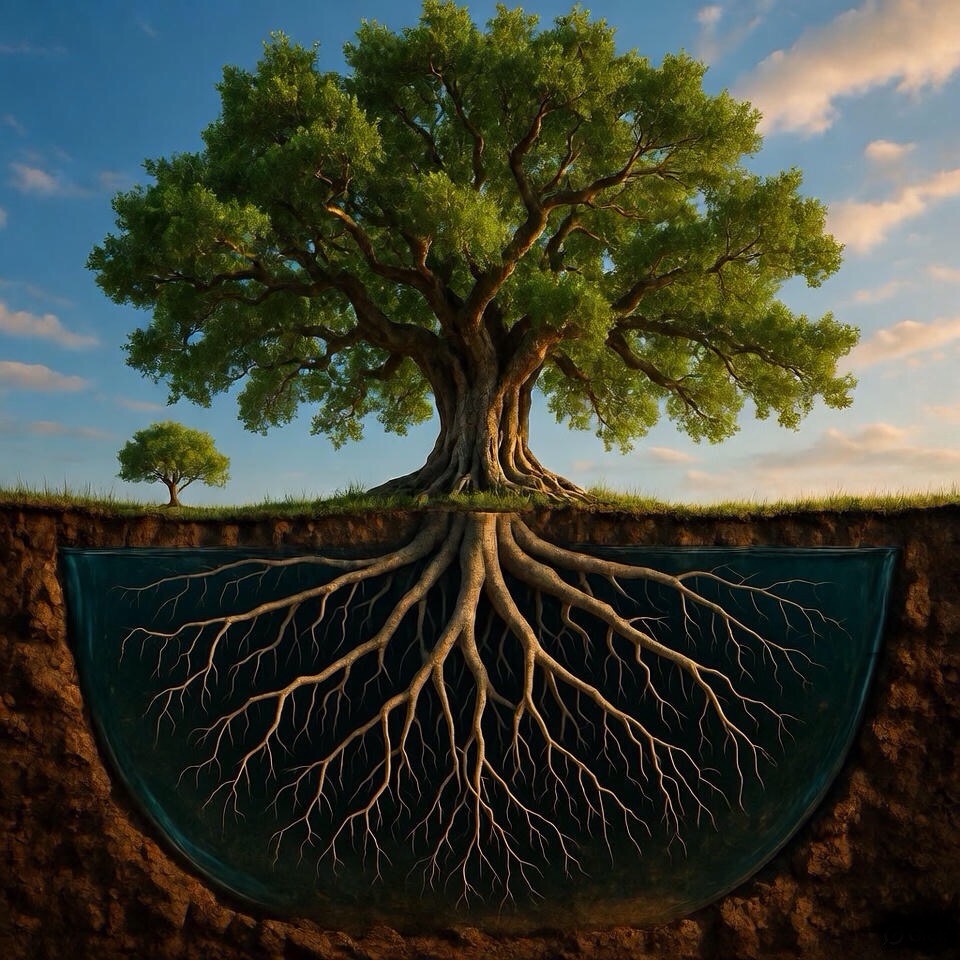
Successful E-commerce: the Value of Organic Foundations
The right platform and advertising for your e-commerce
Successful E-commerce: the Value of Organic Foundations
In 2024, customer acquisition costs rose by 222% compared with ten years ago. Before investing in aggressive advertising, building a solid organic audience is the most sustainable strategy for SMEs that want to grow over the long term.
The Myth of Perfect Technology
How many times have you heard this promise? "Build a cutting-edge e-commerce platform, switch on the advertising campaigns, and watch your sales explode." It is a seductive narrative, but a deeply incomplete one.
The reality of the Italian and European e-commerce market in 2024 is very different. Hundreds of e-commerce businesses close every year despite technologically advanced platforms and substantial advertising budgets. Others, by contrast, grow sustainably starting from basic tools but with a very different strategy: first build an organic audience, then scale with advertising.
Technology is a powerful enabler, there is no doubt about it. A customised system that adapts to business processes can speed up operations, improve the user experience and optimise conversions. But without solid foundations, even the most sophisticated platform does not guarantee success. It is like owning a Formula 1 car: it lets you go fast, but only if you have first learned to drive and know the circuit well.
The Current Scenario: When Advertising Becomes Unsustainable
The numbers speak clearly and paint a scenario every entrepreneur should be aware of before planning the digital strategy of their e-commerce business.
Customer Acquisition Cost (CAC) – the average cost of acquiring a new customer – has grown by 222% over the past decade, rising from 19 dollars to 29 dollars per user. Over the last five years, the increase has been 60%. According to data from Statista, global spending on digital advertising will reach 836 billion dollars by 2026, making competition ever more costly for everyone.
But there is more. The leading advertising platforms such as Meta Ads and Google Ads are raising their average costs by 15-20% year on year. For a company selling products with thin margins, this means advertising can quickly turn from a growth tool into a financial burden.
A healthy ratio between Customer Lifetime Value (LTV) and CAC should be at least 3:1. In other words, each customer should generate over time a value at least three times greater than the cost of acquiring them. With CAC in constant growth, maintaining this balance becomes harder every day if you rely on paid advertising alone.
And here a paradox emerges: while companies spend more and more to acquire customers, 65% of their revenue comes from existing customers. Acquiring a new customer costs from 5 to 25 times more than retaining one already gained. And yet many e-commerce businesses continue to invest most of their budget in advertising for new customers rather than in retention and organic-growth strategies.
Who Has Succeeded by Building the Organic Audience First
You do not need to look only at the big tech giants to find concrete examples. There are brands that have shown how building a solid organic audience first, and only then amplifying with advertising, is the more sustainable path.
Glossier: From Blog to 1.2 Billion Dollar Unicorn Without Traditional Advertising
Glossier is today one of the most recognised beauty brands in the world, with a valuation of 1.2 billion dollars. But in 2010, when founder Emily Weiss launched "Into the Gloss", it was just a beauty blog.
Weiss's strategy was counter-intuitive for the time: instead of creating products and then seeking customers through advertising, she first built an organic community of passionate readers. The blog published authentic interviews with real women about their beauty rituals, creating genuine conversations instead of promotional messaging.
It was only in 2014, after building a solid base of loyal readers, that Glossier launched its first four products, developed precisely by listening to the needs of the community. The result? 70% of Glossier's sales come from word of mouth and organic connections, not from paid advertising. The founder herself has stated that almost 80% of Glossier customers were referred by a friend.
Glossier invested in valuable content, constant engagement on social media, and community involvement in product development. Only after validating the model with sustainable organic growth did it begin using targeted advertising to amplify what was already working. The e-commerce technology came later, in support of an already winning strategy.
Veja: French Sneakers Grown to 120 Million in Revenue with Zero Advertising Budget
If Glossier operates in beauty, Veja shows that the organic approach works even in ultra-competitive markets such as sports footwear, dominated by giants like Nike and Adidas.
Veja is a French sustainable-sneaker brand founded in 2005. Its strategic choice was radical: invest zero euros in traditional advertising. For the leading sneaker brands, advertising typically consumes 70% of production costs. Veja decided to reinvest that money in supply-chain transparency, sustainable materials and fair partnerships with producers.
The result? Steady organic growth based on word of mouth, values shared with the community and brand authenticity. Sales rose from around 78.5 million dollars in 2019 to 120 million in 2020, all without a traditional advertising campaign. Veja became a certified B Corp and is now present in more than 1,800 points of sale across 45 countries.
Veja's lesson is a powerful one: even against giants with billion-dollar advertising budgets, a brand can emerge if it first builds a base of customers who believe in its values and spontaneously become ambassadors of the brand.
Organic Foundations: What It Means in Practice
When we talk about an "organic audience", we are not referring to vague or new-age strategies. We are talking about concrete, measurable marketing channels that build lasting assets instead of buying temporary visibility.
SEO (search engine optimisation): instead of paying for every click, you invest in content that ranks your site in organic search results. A well-written article on "how to choose an automatic watch" will keep bringing in qualified traffic for years.
Content Marketing: useful guides, tutorials, demonstration videos that solve real problems for your target audience. You are not just selling, you are becoming a reference resource in your sector.
Email Marketing: a contact list built organically is an asset you own — you do not have to pay every time you want to communicate with these potential customers. A well-segmented email has open and conversion rates higher than any paid ad.
Community Building: forums, Facebook groups, authentic interactions on social media. Customers who help one another, share experiences and create that digital word of mouth no advertising campaign can replicate.
Let us look at three practical examples to better understand the difference in approach.
Example 1: The artisan shoe shop
Scenario A – Advertising-first approach: you open the e-commerce store and immediately invest 50,000 euros in Meta Ads and Google Ads campaigns. In the first months you see traffic and orders, but the CAC is very high. After two months you have burned through the budget, and as soon as you pause the campaigns sales collapse. Zero margin, zero asset built.
Scenario B – Organic-first approach: same budget, but spread over 12 months. You invest in professional SEO, you create educational content such as "a guide to choosing shoes for wide feet" or "how to recognise genuine artisan leather". You reach out to your long-standing physical-store customers and convert them into an email database. After 6 months you start to see growing organic traffic; after 12 months that traffic keeps growing even if you stop investing. Healthy margins, a lasting asset.
Example 2: A mid-range watch brand
Scenario A – Advertising only: you run Instagram ads with beautiful photos of watches. You attract generic users who see the ad, maybe buy on impulse, but do not come back. Low lifetime value, retention practically zero. You constantly have to find new customers.
Scenario B – Organic growth: you create Instagram content explaining mechanical movements, the history of watchmaking, interviews with master craftsmen. Over 12 months you build 5,000 genuinely passionate followers. When you launch a new model, you have a base waiting for it eagerly. Much higher LTV, customers who come back and who recommend the brand spontaneously.
Example 3: A niche food e-commerce business
Scenario A – Continuous advertising: campaigns to bring traffic to the site. Users buy once, but there is no reason to come back. You have to spend every month to maintain sales.
Scenario B – Organic strategy: a blog with recipes using your products, collaborations with credible food bloggers, a weekly newsletter with useful content and not just promotions. Customers come back not because they see ads, but because they trust you as a point of reference. Word of mouth amplifies organically.
In all three cases, the fundamental difference is this: with advertising you buy temporary visibility; with organic you build an asset that grows over time.
The Role of Technology: Enabler, Not Saviour
Let us return to the starting point: does technology matter? Absolutely. But at the right moment and in the right role.
A customised e-commerce platform that adapts to your specific business processes is tremendously useful. It lets you automate email marketing in a sophisticated way, segment customers by real behaviour, optimise the conversion funnel by analysing precise data, and integrate your management system and warehouse perfectly, avoiding errors.
But all of this only makes sense if you already have something to optimise. If you have no traffic, a perfect email automation system is useless. If you have no customers, a stellar UX is useless. If you do not have a product someone genuinely wants to buy, technology will not invent it for you.
Technology is the engine, but it is not the whole car. It is the enabler that amplifies an existing strategy, not the creator of the strategy itself.
A bespoke technology system lets you:
- Execute your content-marketing strategy better and faster
- Personalise the customer experience based on real behavioural data
- Automate repetitive processes, freeing up time for strategic activities
- Scale without losing quality of service
But only if you have first understood who your customers are, what they want, how to communicate with them, and which problem you solve better than others. You discover this by building organic relationships, not by installing software.
When It Makes Sense to Switch On Advertising
To be clear: this article does not demonise advertising. That would be foolish. Paid advertising is a powerful tool, but it must be used at the right moment.
When does it make sense to invest in advertising? When you have already:
- Validated product-market fit: you know your product solves a real problem and people are willing to pay for it
- Built an organic base: you already have traffic, you already have customers, you already have testimonials and success stories
- Sustainable margins: you can afford a high CAC because your LTV is significantly higher
- An active retention system: you have email automation, loyalty programmes, content that brings customers back
At that point, advertising becomes the turbo that accelerates an already functioning machine. It amplifies what is already growing organically. It lets you scale quickly, knowing the numbers hold up.
The winning model is this: organic to build solid foundations, advertising to scale rapidly. Not the other way round.
Moreover, organically acquired customers provide valuable data for your advertising campaigns. You know who they are, what they buy, how they behave. You can create much more precise lookalike audiences. You can test messages you already know work organically. The effectiveness of advertising improves dramatically when you already have an organic base to learn from.
Investing in the Foundations, Not Just the Façade
Many Italian SMEs look at successful e-commerce businesses and see only the surface: the beautiful site, the visible social campaigns, the recognised brand. They do not see the months or years of organic work that preceded that visibility.
The Italian and European market is full of opportunities for e-commerce businesses that choose a different approach. Less competition on organic channels compared with the advertising crowd. Healthier margins because you do not have to pay for every single visitor. More loyal customers because they chose you after discovering you genuinely, not after being bombarded with retargeting.
The question is not "advertising or organic?". The question is "in what order?". And the answer, for most SMEs with limited resources and ambitions of sustainable growth, is clear: organic first, then advertising to amplify.
An e-commerce business built on solid organic foundations withstands fluctuations in advertising costs, algorithm changes and economic crises. It has a base of customers who keep buying and recommending the brand regardless of the month's marketing budget.
A126: Let's Build Your Digital Foundations Together
The success of an e-commerce business is not measured only in first-month sales, but in the ability to grow sustainably over time. At A126 Corporate Advisors we work with SMEs that want to build solid e-commerce businesses, not flashes in the pan.
Our approach always starts from the same question: what are your foundations? Before talking about technology platforms or advertising budgets, we analyse your value proposition, your target audience, your processes. Only then do we build the digital strategy that is right for you.
Bespoke technology is part of our toolkit, but we use it to enable winning strategies, not to replace them. An external CTO who understands both the business and the technology is exactly that: someone who helps you invest in the right way, at the right time, for sustainable goals.
If you are thinking of launching an e-commerce business or growing your existing one, and you want to avoid the mistake of burning through your budget on advertising before building solid foundations, let's talk.
Get in touch for a free consultation. Together we will assess the current state of your e-commerce project and define a realistic roadmap for sustainable organic growth before any major advertising investment.
A126 Corporate Advisors – Sustainable digital strategy for SMEs that want to grow over the long term.